
In the electrifying world of esports, where split-second decisions and lightning-fast reflexes reign supreme, the concept of a ‘clutch’ transcends mere skill. It’s the embodiment of pressure, strategy, and unwavering mental fortitude converging in a decisive moment. A clutch isn’t just a lucky play; it’s a turning point, a display of extraordinary ability under immense pressure, often determining the outcome of a grand final.
Imagine a scenario: the score is tied, the crowd is roaring, and the weight of a championship rests on a single player. This is where legends are born. Iconic clutch plays etched in esports history demonstrate this phenomenon. These moments aren’t just highlights; they are strategic masterclasses executed with pinpoint accuracy and unyielding resolve.
The impact of a clutch extends far beyond the immediate game. It can shatter an opponent’s confidence, galvanize a team, and completely shift the momentum of a series. While raw skill is undeniably crucial, the mental game is what separates the great players from the legends, as mental toughness is just as important for esports professionals than it is for traditional sports athletes. The ability to remain calm, focused, and decisive when everything is on the line is the hallmark of a true clutch performer in esports.
The Anatomy of a Clutch
A clutch play, that heart-stopping moment where victory hangs in the balance, isn’t just about luck. It’s a concoction carefully mixed with mechanical skill, tactical decision-making, psychological resilience, and, yes, sometimes a sprinkle of good fortune. These core components intertwine, each amplifying the others to create those unforgettable moments of brilliance. Pressure can make even the most skilled player falter if their mental game isn’t up to par. Similarly, the best strategy falls apart without the mechanical ability to execute it. A true clutch performance demands mastery across all domains.
Mechanical Prowess: Aim, Reflexes, and Execution
Mechanical skill forms the foundation of any successful clutch. Aiming precision, lightning-fast reaction time, and clean execution are indispensable. These aren’t innate talents; they’re honed through focused practice. In games offering training maps, use them! Drill those headshots, practice movement patterns that make you a harder target. For games lacking dedicated training modes, become a student of the game. Watching high-MMR players provides invaluable insight. Observe their crosshair placement, how they peek corners, and copy their techniques. Consistent, deliberate practice will sharpen your mechanical edge, transforming you from a player who chokes under pressure to one who thrives.
Tactical Acumen: Reading Opponents and Adapting
Beyond raw skill, tactical decision-making separates the good from the great. Reading opponents involves identifying their tendencies, recognizing patterns in their play. Do they favor certain routes? Are they aggressive after planting the bomb? Use this information to predict their moves. This isn’t mind-reading; it’s informed guesswork based on observation. Furthermore, a crucial part of tactical play is adaptability. A strategy that works in one round might fail spectacularly in the next. Learn to adjust on the fly, countering your opponents’ counter-strategies. Analyze your opponents’ VODs; knowing their preferences is a huge advantage. Tactical flexibility keeps your opponents guessing and gives you the upper hand.
Psychological Fortitude: Composure Under Pressure
The final ingredient is psychological resilience. Pressure amplifies mistakes and can turn even the most mechanically gifted player into a nervous wreck. Maintaining composure under pressure is a skill in itself. Techniques like visualization, breathing exercises, and positive self-talk can help ground you in critical moments. Visualize successful outcomes; see yourself making the winning play. Controlled breathing can reduce anxiety and improve focus. Replacing negative thoughts with positive affirmations boosts confidence. Even in the professional scene, players use these techniques to maintain their mental edge. Mental toughness allows you to access your skills and make smart decisions when the stakes are highest.
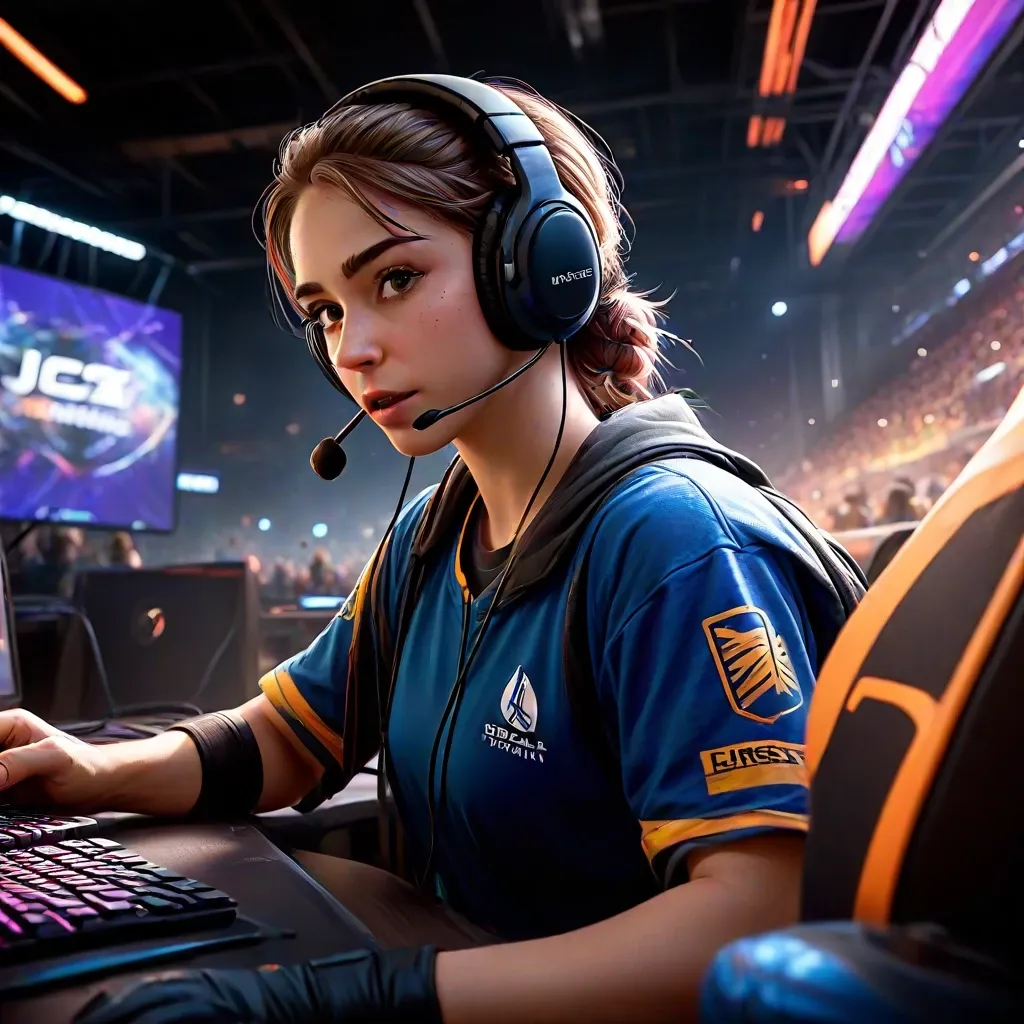
Iconic Clutch Moments in Grand Finals
Esports history is filled with unforgettable clutch moments that have defined careers, cemented legacies, and left fans breathless. These aren’t just simple wins; they are the game-winning plays, miraculous comebacks, and displays of skill under immense pressure that separate legends from the rest. These are the moments that are replayed endlessly, analyzed meticulously, and forever etched in the memory of esports enthusiasts. They represent the pinnacle of competitive gaming and underscore the significance of split-second decisions, unwavering focus, and nerves of steel. To pull off a “clutch” performance in a grand final is to become immortalized in esports history.
CS:GO – Coldzera’s Jumping Double AWP (MLG Columbus 2016)
MLG Columbus 2016 witnessed what is still considered one of the most iconic plays in Counter-Strike: Global Offensive history: Coldzera’s Jumping Double AWP on Mirage. Playing for Luminosity Gaming, Coldzera found himself in a disadvantageous situation. With a flick of the wrist and impeccable timing, he leaped into the air, firing two precise AWP shots that took down two key opponents. This single play not only turned the tide of the round but also propelled Luminosity Gaming towards their championship victory. Coldzera became synonymous with Luminosity’s success, and this moment is so legendary that it’s immortalized as a graffiti on Mirage.
League of Legends – Faker’s Zed vs. Ryu (OGN Champions Summer 2013)
The OGN Champions Summer 2013 featured arguably the most legendary 1v1 in League of Legends history. Faker, playing Zed, faced off against Ryu, also on Zed, in a mirror matchup that became an instant classic. With both players near death, Faker executed a series of perfectly timed ability uses, outplaying Ryu with unbelievable mechanical skill. This play catapulted Faker into superstardom. Even beyond the win, this moment highlighted the immense skill ceiling of League of Legends and cemented Faker’s legacy as the greatest to ever touch the game and his place amoung the esports elite.
Dota 2 – OG’s TI9 Grand Final Comeback
The International 2019 (TI9) will forever be remembered for OG’s dominant run and their incredible comeback in the grand final. Facing Team Liquid, OG found themselves in a dire situation but displayed the resilience and strategic brilliance that defined their championship run. With unconventional hero picks and coordinated team fights, OG managed to claw their way back. Their objective control, combined with ana’s incredible individual plays on heroes like Io, allowed them to slowly dismantle Team Liquid’s lead and secure the victory. The psychological fortitude displayed by the entirely squad during critical moments, was paramount to their success.
The Psychology of a Clutch Player
The arena is packed, the clock is ticking down, and all eyes are glued to the players. What separates those who crumble from those who rise to the occasion? It all comes down to understanding the psychology of a clutch player. The ability to perform under extreme duress isn’t just about skill; it involves a complex interplay of mental fortitude, strategic thinking, and emotional control. This is the mental game, where mastering stress management becomes as crucial as mastering the fundamentals of the game itself.
Maintaining Focus Under Pressure
Maintaining focus is key. Distractions are everywhere, but the clutch player has cultivated tunnel vision, a singular concentration on the task at hand. Gamers can use visualization and deep breathing to enhance their training. By creating a mental “bubble,” they learn to block out distractions and keep their focus razor-sharp, allowing them to perform at their peak even when the pressure is on.
Cultivating Confidence and Belief
Confidence isn’t arrogance; it’s a deep-seated self-belief that steels a player’s resolve. Positive self-talk and affirmations empower players to harness their mental fortitude. By recalling past successes, players reinforce their belief in their ability to succeed again, turning self-doubt into self-efficacy and building a resilient mindset that helps them bounce back from setbacks.
Decision-Making Under Stress
Stress can cloud judgment, leading to impulsive decisions and missed opportunities. Clutch players use pre-planned strategies and team communication to mitigate these effects. They understand the mental traps that stress can create and use proven techniques to maintain cognitive function. By relying on established protocols, players stay aligned, make smart choices, and avoid the pitfalls of impulsive action, ensuring they perform optimally even in the most intense situations.

Engineering Clutch Opportunities: Team Strategies
Teams don’t just stumble into clutch situations; they engineer them. It involves a combination of coordinated strategies designed to tilt the odds in their favor. This proactive approach transforms potential high-pressure moments into calculated opportunities for victory. Key elements include controlling the flow of information, manipulating the opponent’s decision-making, and leveraging any existing advantages in resources or positioning.
Information Control and Map Awareness
Information is power, and in clutch situations, it’s the ultimate weapon. Teams that excel at information control achieve unparalleled map awareness. This comes from strategic scouting with drones or well-placed vision. Effective communication is equally vital; relaying enemy positions, movements, and intentions in real-time allows the clutch player to make informed decisions. For example, knowing that two enemies are rotating towards a specific site while one is distracted gives the clutch player a significant edge.
Baiting and Mind Games
Baiting and mind games are all about exploiting the opponent’s psychology. This involves creating a false sense of security or opportunity to lure them into a trap. A clutch player might feign weakness or expose themselves to encourage an overly cautious opponent to make a risky play. The key is to assess the opponent’s tendencies and exploit their risk assessment. If someone is known for playing it safe, an aggressive feint might be the catalyst that pushes them to act impulsively.
Economic and Resource Advantages
A well-managed economy and strategic resource allocation provide a considerable advantage in clutch scenarios. Having superior buying power allows a team to equip their clutch player with better weaponry, armor, and utility items. A team can play around this by forcing favorable engagements that allow them to snowball their economic lead. Even seemingly small advantages, like having grenades or a defuse kit when the opponent does not can significantly impact the outcome of a clutch round.
Analyzing Clutch Moments for Improvement
Clutch moments can make or break a game, and a thorough analysis of these situations is crucial for team growth. Reviewing past clutch plays, regardless of whether they resulted in victory or defeat, provides invaluable insights into areas for improvement. By dissecting decision-making processes, team coordination, and individual performance under pressure, teams can identify recurring mistakes and develop effective strategies to overcome future challenges.
VOD Review and Self-Critique
VOD review is a cornerstone of performance analysis. Teams should meticulously examine recordings of their clutch plays, paying close attention to several key areas. Was the decision-making process sound, or were there missed opportunities? Was communication clear and concise, or did misunderstandings lead to misplays? How effective was the team’s coordination, and did individual mechanics hold up under pressure? Objective self-critique, focusing on error identification and constructive feedback, is essential for players to recognize their weaknesses and work towards improvement.
Pattern Recognition and Scenario Training
Identifying recurring patterns in clutch situations is crucial for developing effective strategies. If a team consistently struggles when facing multiple opponents in close quarters, scenario training focused on these specific situations can be invaluable. For instance, simulating 2-on-5, or even 1-on-4 scenarios, helps build muscle memory, improve situational awareness, and enhance predictive analysis. Repeatability is key – consistently practicing these scenarios ensures that players are better prepared to react effectively when similar situations arise during real matches. Turn the team’s weaknesses into their advantage.
Developing Comeback Strategies
Preparation is key. Consider which characters excel in 1vX situations. Before that, while choosing characters, strategize for potential comeback scenarios. Implementing counter-strategies and recognizing momentum shifts is critical for turning the tide of a losing game. It’s helpful to know at least one strategy. Was it about denying area ? Playing for time ? Taking calculated risks ? Knowing when to commit resources and when to conserve them can make all the difference. By thinking through these possibilities in advance of the match, teams can enter the game with a repertoire of tools to use, making them more resilient in the face of adversity instead of tilting.
Conclusion
Esports grand finals are pressure cookers, and in these high-stakes environments, clutch plays become legendary. They are the moments that define champions and etch their names into esports history.
A successful clutch isn’t just about raw mechanical skill, though that’s undeniably a key component. It’s a complex blend of tactical vision – the ability to read the game and anticipate the opponent’s moves. It requires unwavering mental fortitude to remain calm and focused under immense pressure. And it demands strategic planning – adapting on the fly and making split-second decisions that can turn the tide of battle.
Clutch plays are the ultimate test of an esports athlete. They represent the culmination of countless hours of practice, dedication, and strategic thinking. These electrifying comebacks and improbable victories are what make esports so compelling and captivating to watch. They highlight the highest level of competition, where skill, psychology, and strategy converge to deliver unforgettable moments for players and fans alike.